A 19 October construction start is scheduled; the contractor is not yet named, and the running costs are not yet budgeted.
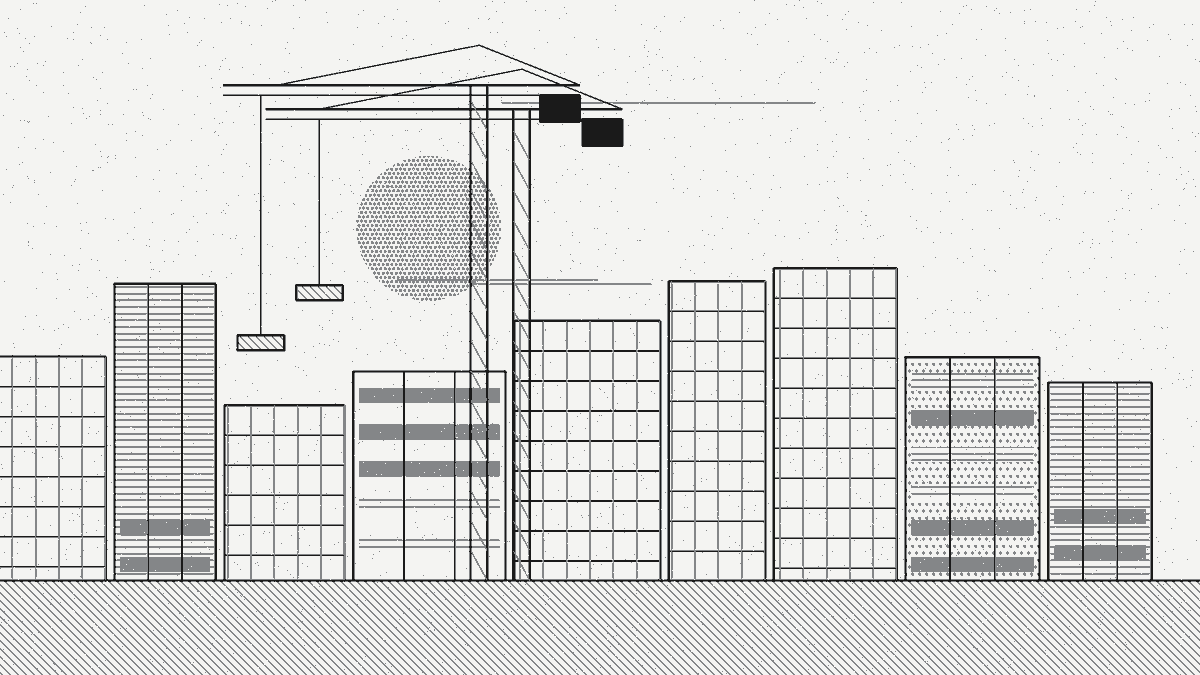
The Parliamentary City of Mocuba in Zambézia is scheduled to start construction on 19 October 2026, with about 500.9 million meticais (about €6.7 million) allocated, the Club of Mozambique reported on 4 September. The Standing Commission spokesperson, Manuel Ramessane, said about 2,000 guests are expected at the ceremony.
As of late September the project is financed for its first phase but not yet contracted in public view. No builder has been named, which means the local construction demand that a public programme of this kind promises is still a forecast. For suppliers in the Mocuba-Quelimane belt, the next few weeks are about positioning for packages that have not been published.
What is on the budget line
The allocation matches the 2026 State budget proposal, and it covers starting the works, not completing a city.
The PESOE 2026 proposal lists, among its public-administration infrastructure actions, the start of construction of the Cidadela Parlamentar in Mocuba district, with a target of one and a budget of 500,947.5 thousand meticais. That is the same figure the Standing Commission now cites. The wording is “start”, and it is the proposal text; the approved budget may differ.
The announced scope is far larger than one allocation. Per the Club of Mozambique report, it covers the Parliament headquarters, offices, legislative research centres, chambers, residential areas for deputies and public servants, spaces for civil society and digital platforms for participation. The stated goal is for Parliament to begin operating in Mocuba during the current parliamentary term.
Mechanism: how a start allocation becomes a multi-year commitment
The first tranche pays for site works; every later phase needs its own appropriation in a future budget.
State building programmes are appropriated through the annual PESOE, and each year’s plan and budget is voted separately. The 2026 line is worded as the start of construction, so it should be read as a first tranche; the proposal text does not itemise what it buys. It creates a political expectation of later funding, but each later phase still needs its own appropriation.
That structure matters to contractors. A builder who wins the first package carries the risk that the second is delayed by a tight budget year, and a supplier who extends credit to that builder carries the same risk one step further down the chain. Ramessane said only that there is a team with State involvement and a Government-Parliament group on site, without naming a contractor.
Consequence: construction demand now, operating costs later
A parliament relocating to Zambézia moves salaries, travel and procurement out of Maputo along with the buildings.
President Daniel Chapo has framed the move as part of a strategy of thematic capitals, with the line quoted by AIM on 5 September: not everything should be in Maputo. Mocuba was chosen, according to the Club report, for its position between northern, central and southern Mozambique. The same AIM piece lists the Licungo bridge, financed by the Millennium Challenge Account, and a Quelimane fuel terminal among the Zambézia projects the President announced.
Once operating, a legislature creates recurrent demand: catering, transport, accommodation, security, cleaning, printing, and housing for deputies and public servants. Those are the contracts that last beyond the construction cycle, and the ones local firms can prepare for. They also become a permanent line in the State budget that did not exist in Mocuba before.
The decisive step for suppliers and lenders
Ask for the procurement plan before the ceremony, not after it.
The Assembly of the Republic was reported in June 2025 by O País to have identified land for both the parliament building and an airport, and its president, Margarida Talapa, called the transformation of Mocuba into the seat of Parliament a reality. The 19 October date is the first physical marker of that statement.
Zambézia contractors, hauliers and materials suppliers should ask the Standing Commission and the Zambézia provincial government three questions this month: how the works are packaged, whether any lots are reserved for local firms, and which entity certifies and pays. Banks asked to finance equipment for these packages should ask the same, and price the second-phase funding risk before they lend.
Sources
- Club of Mozambique. “Mozambique: Construction of Parliamentary City of Mocuba to start on 19 October”. 4 September 2026. https://clubofmozambique.com/news/mozambique-construction-of-parliamentary-city-of-mocuba-to-start-on-19-october/
- Ministério da Economia e Finanças (MEF). “Proposta do Plano Económico e Social e Orçamento do Estado para 2026”. 2025. https://www.mef.gov.mz/index.php/publicacoes/politicas/plano-economico-e-social-e-orcamento-do-estado-pesoe/pesoe-2026/2421-proposta-pesoe-2026/file
- Agência de Informação de Moçambique (AIM). “Chapo anuncia pacote de grandes infra-estruturas para Zambézia”. 5 September 2026. https://aimnews.org/2026/09/05/chapo-anuncia-pacote-de-grandes-infra-estruturas-para-zambezia/
- O País. “Mocuba acolherá futura sede do Parlamento moçambicano”. 20 June 2025. https://opais.co.mz/mocuba-acolhera-futura-sede-do-parlamento-mocambicano/