A national 0.68% rise hid a flooded city at 3.12%, and free wallet transfers arrived just as households needed them.
The February 2026 consumer price index rose 0.68% across Mozambique, but in Xai-Xai it rose 3.12%, according to the Instituto Nacional de Estatística release as reported by Jornal Económico. Chimoio recorded 1.27% and the province of Inhambane 0.95%, and every collection point in the country registered an increase.
For a brand or retailer the useful number is the spread, not the average. The city that took the worst of January’s Limpopo flooding is the city where the basket repriced fastest, and the central bank was about to make it cheaper to move money to exactly those households.
A 3.12% month is a supply story, not a demand story
Prices rose fastest where roads and stock were hit, not where shoppers were richest.
Nationally the index has added 1.94% in two months, and the twelve-month rate rose to 3.20% from 3.04% in January, per Carta de Moçambique. Food and non-alcoholic beverages supplied 0.37 percentage points of the February move. The products that pushed it are the ones a flooded corridor delays: charcoal up 9.8%, lettuce 17.6%, cabbage 8%, tomato 5.5%, mackerel 3.1%, cooking oil 1.9%, and cement 1.2%.
Cement belongs on that list for a reason a consumer brand should notice. Reconstruction demand for building materials sits on the same road freight network that carries food, so a builder’s bag of cement and a shopper’s bag of charcoal both pay for a scarce lorry. Where a city index jumps by three points in a month, the increase is a transport bill passed down a chain of wholesalers, each of whom reprices on replacement cost.
Free transfers from Monday 2 March
Individuals will move money between banks and wallets without fees, up to MT 200,000 a day.
Banco de Moçambique’s Sistema de Pagamentos Instantâneos, created by Aviso 1/GBM/2026 dated 25 February, starts operating on 2 March, with funds available to the beneficiary within about 25 seconds at any hour, Plataforma Media reported. Transfers ordered by individuals carry no fee, and the daily ceiling is MT 200,000 for individuals and MT 500,000 for companies.
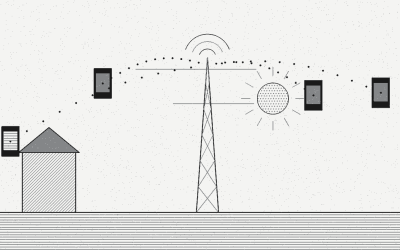
The mechanism is a switch that joins banks and the three wallet operators, M-Pesa, e-Mola and mKesh, in one queue. Until now a family sending flood relief from a bank account in Maputo to a wallet in Xai-Xai crossed two networks and paid for the crossing. From 2 March that crossing is free for individuals, so the money reaching a price-shocked city arrives whole.
The demand that was already there
Credit to individuals barely moved in February, so spending is being funded from income and transfers.
Bank credit to individuals stood at MT 104.443bn in February inside a total stock of MT 291.242bn, which was a rebound after three monthly declines, per Forbes África Lusófona. Household spending that month was therefore paid mostly from wages and remittances. The policy rate had fallen to 9.25% on 28 January, the lowest since 2015, so borrowing costs were easing into the flood.
A higher basket met cheaper borrowing, and the retail lesson is about timing. A household spending the same number of meticais on the February shop bought a little less than it did in December, and in Xai-Xai a good deal less. Merchants who assume that a rising index means rising sales will misread February: the same till receipts can hide a fall in units, which is the number that decides restocking.
What to do before the March data arrive
Price by city, not by country, and use the free rail to collect.
Consumer brands with national price lists should test a regional layer. A single national price that ignores a 3.12% local move either starves the distributor in Xai-Xai of margin or overprices the product in cities where the index barely stirred. Give regional distributors a floor and a ceiling, and revisit it monthly as INE publishes each collection point.
Collection is the second decision. From 2 March a small merchant can ask customers to pay by instant transfer at no cost to the customer, from a bank account or a wallet, with settlement in seconds instead of the next banking day. Ask for it at the till in flood-affected districts, where households are rebuilding and want the money in hand quickly.
Sources
- Jornal Económico. “Preços em Moçambique aumentaram 0,68% em fevereiro”. March 2026. https://jornaleconomico.sapo.pt/noticias/precos-em-mocambique-aumentaram-068-em-fevereiro/
- Carta de Moçambique. “Inflação anual aumentou para 3,20% em Fevereiro”. March 2026. https://cartamz.com/economia-e-negocios/49700/inflacao-anual-aumentou-para-320-em-fevereiro/
- Plataforma Media. “Banca moçambicana passa a ter sistema de pagamentos instantâneos”. 2 March 2026. https://www.plataformamedia.com/2026/03/02/banca-mocambicana-passa-a-ter-sistema-de-pagamentos-instantaneos/
- Forbes África Lusófona. “Crédito à economia moçambicana aumenta para 3.939 milhões de euros em Fevereiro”. April 2026. https://forbesafricalusofona.com/credito-a-economia-mocambicana-aumenta-para-3-939-milhoes-de-euros-em-fevereiro/
- Trading Economics. “Taxa de Inflação de Moçambique Sobe para 3,2% em Fevereiro”. March 2026. https://pt.tradingeconomics.com/mozambique/inflation-cpi/news/532314